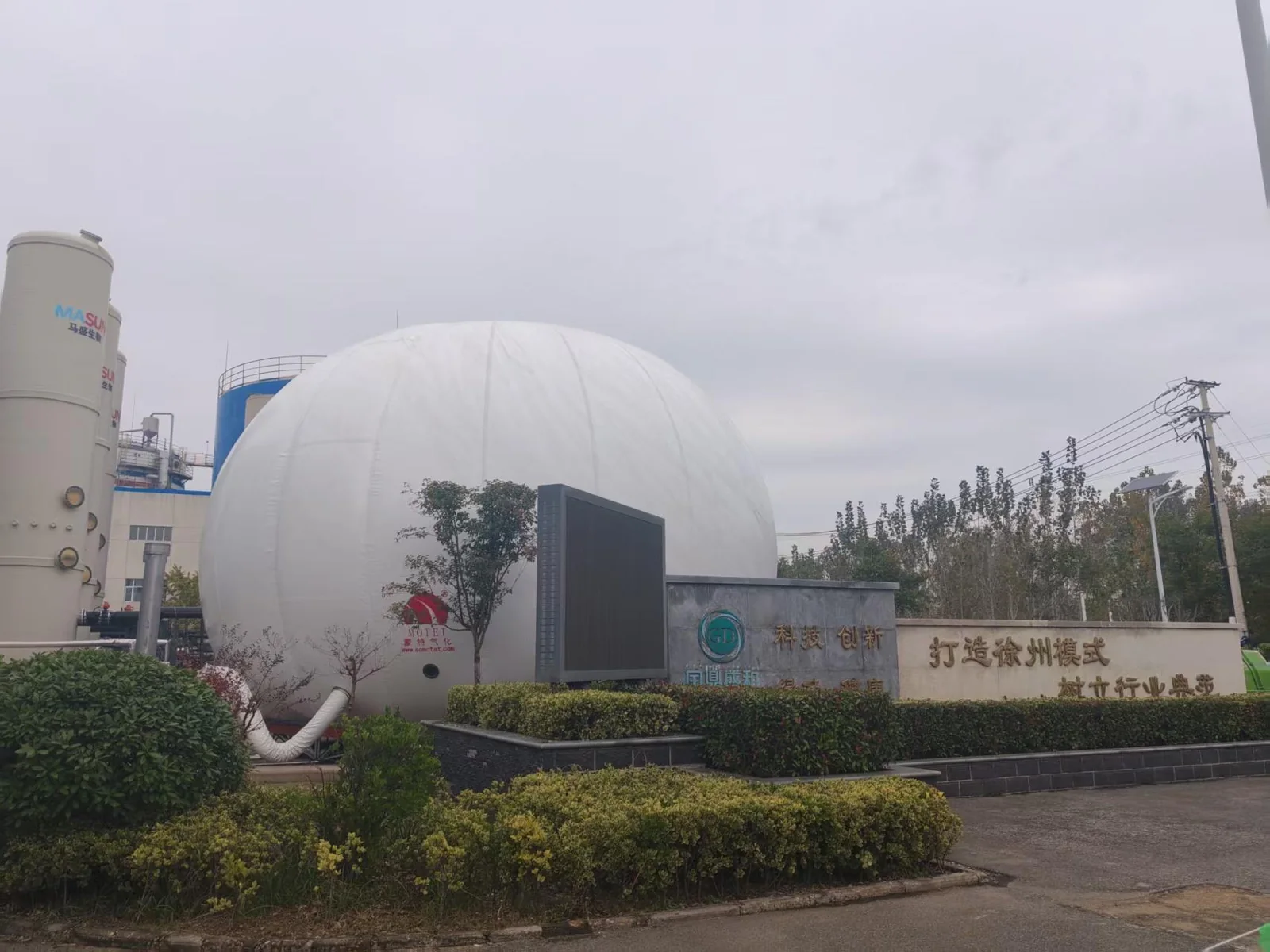
This 1,000 m³ double membrane gas holder stores biogas on a steel support platform in Xuzhou, China. The project considered the platform and membrane-equipment installation together as a way to control site construction costs. The record below follows delivery preparation, site checks, steelwork, membrane installation and the assembled holder.
Delivery and arrival: match the equipment to the site
From dispatch to site receipt, the membranes, clamping components, fittings and drawings need to correspond to the same installation arrangement. On arrival, check package and component condition, the installation area, adjacent pipework and crane access.
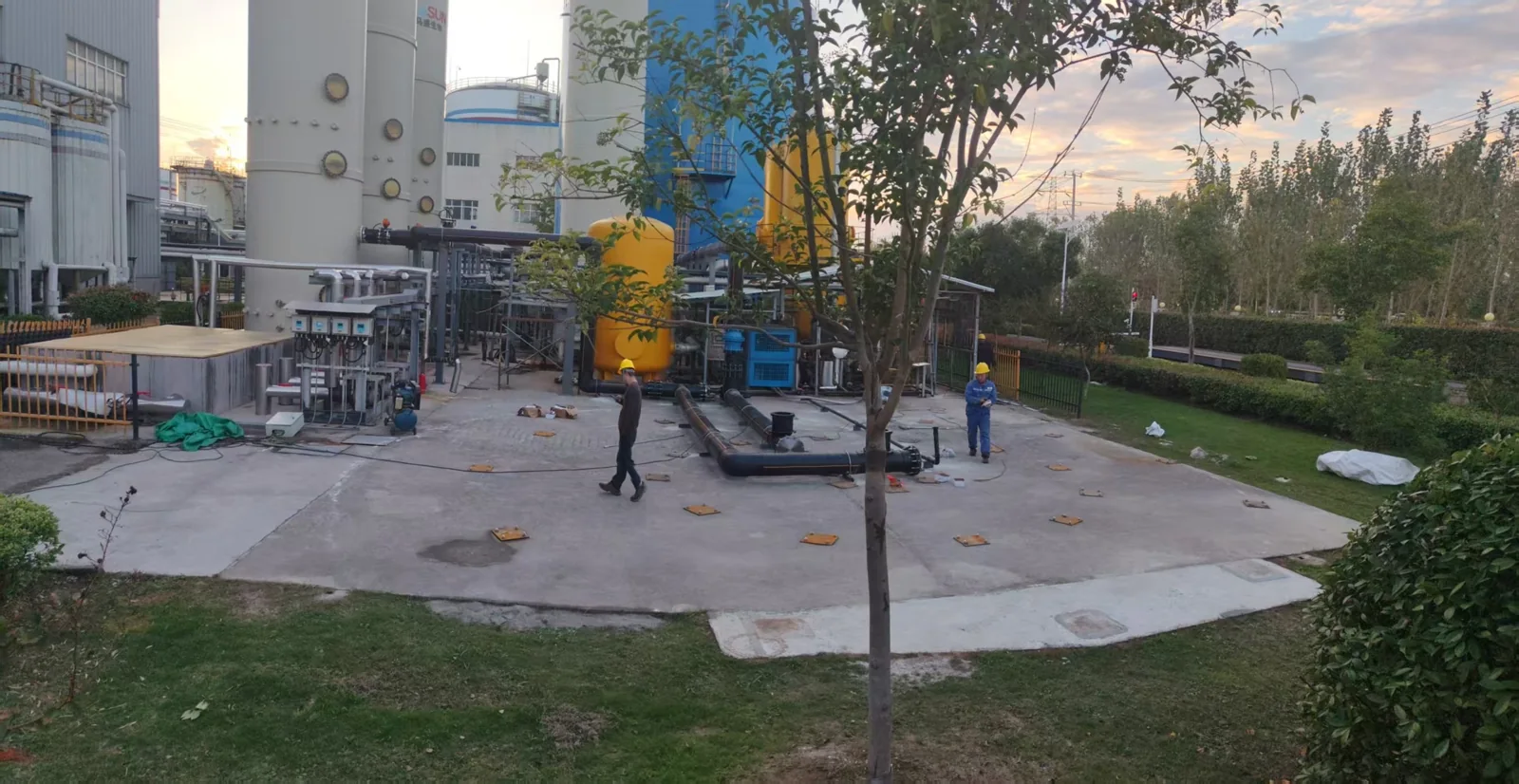
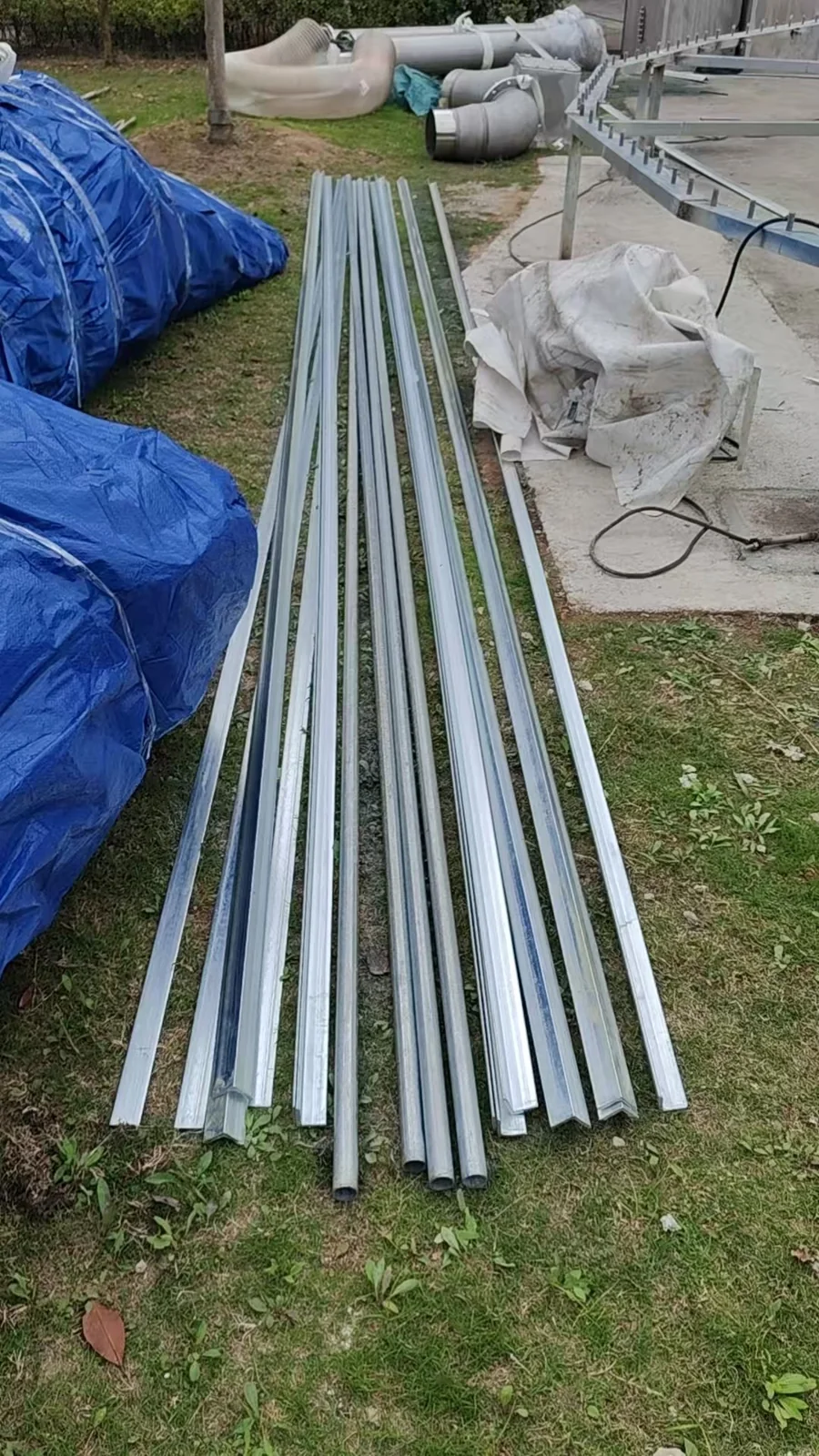
The photographs show staged long components and the working area. The steel platform supports the membrane equipment; the ground and supports beneath it still have to suit the project’s structural design.
Review the steelwork drawings and equipment interfaces
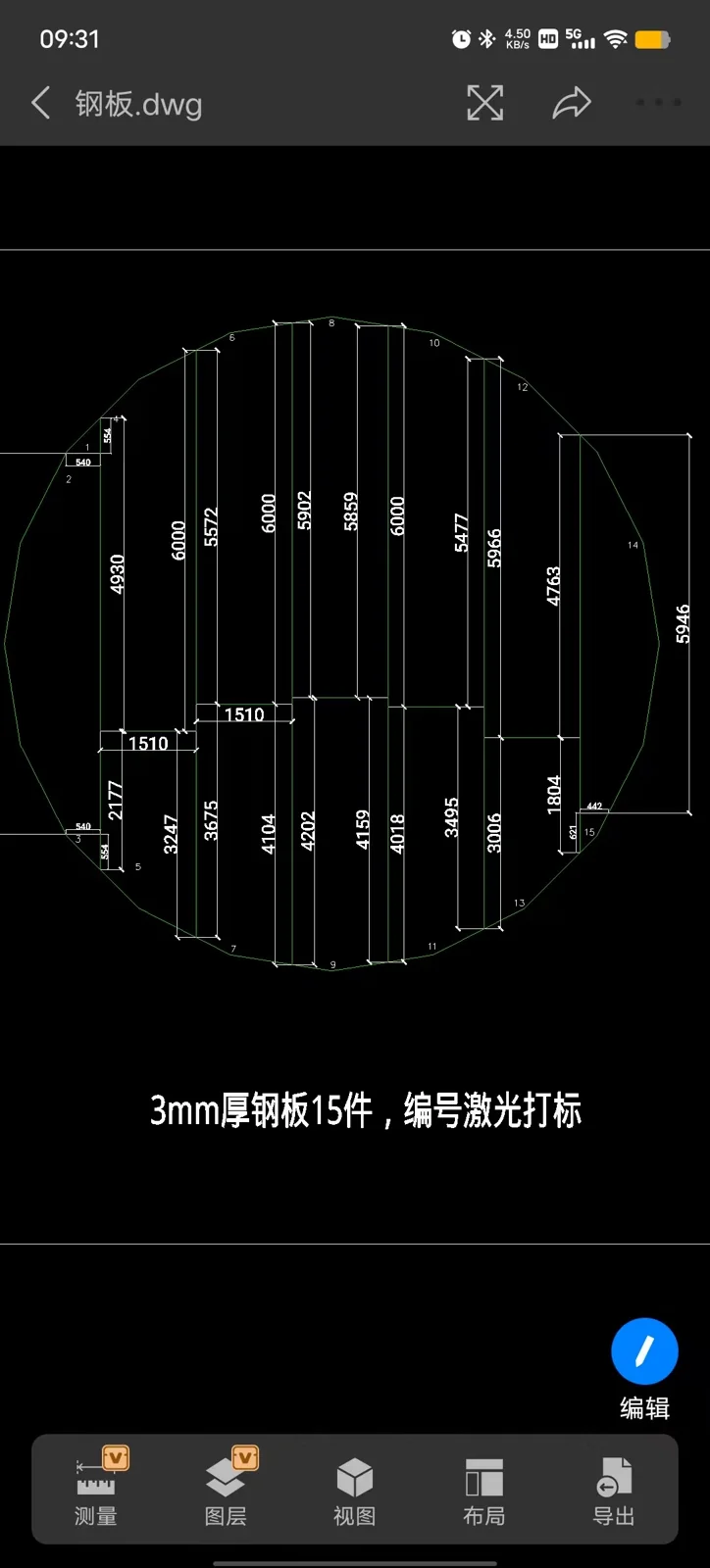
The steelwork and gas holder need a common geometric reference. Review the platform outline, deck-plate layout, perimeter clamping arrangement and connection locations before assembly.
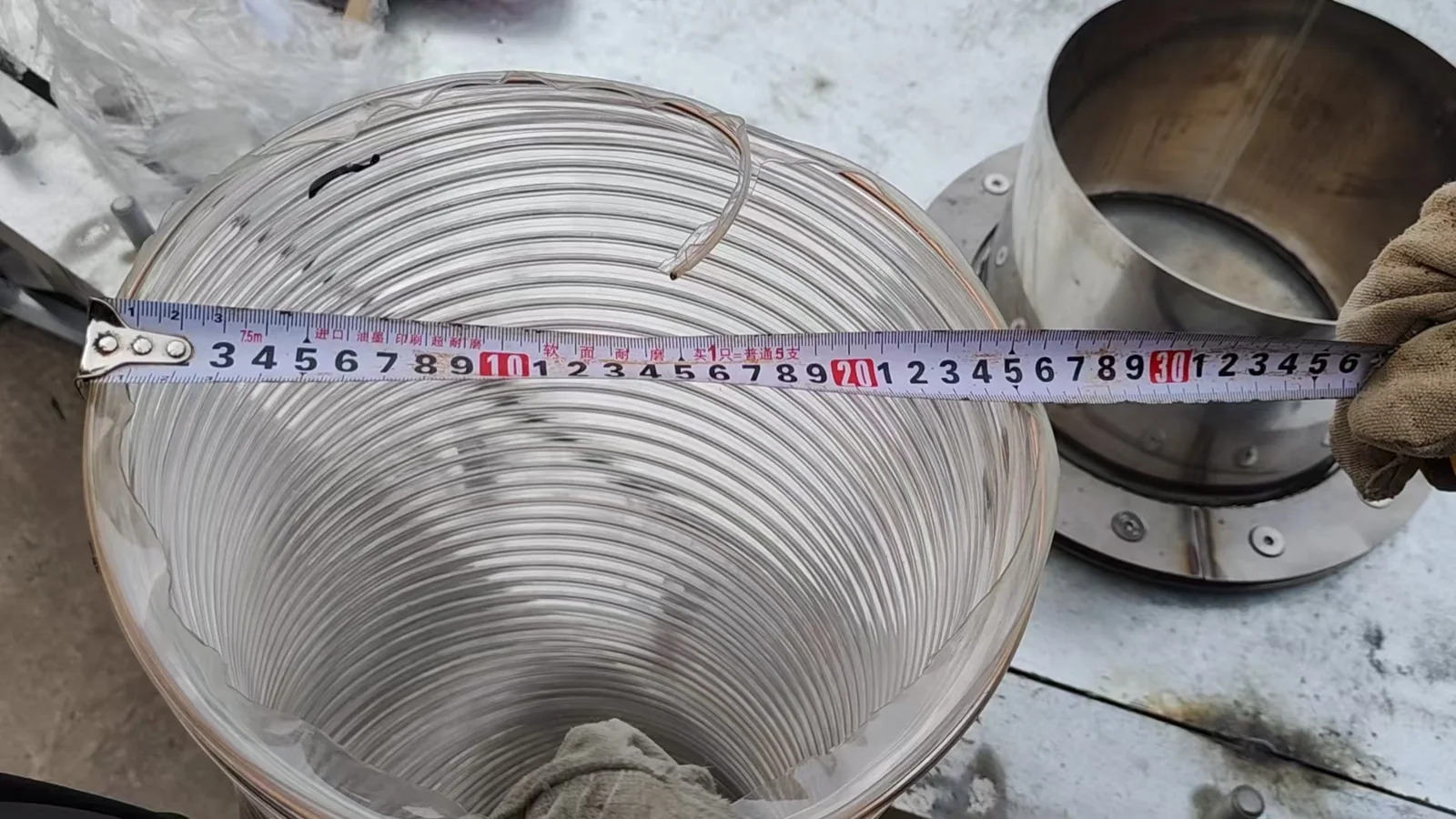
The supplied drawing screenshot records the circular deck-plate layout, while a separate photograph records a fitting measurement. These are project coordination records; their dimensions are not specifications for other gas holder sizes.
Assemble and weld the steel support frame
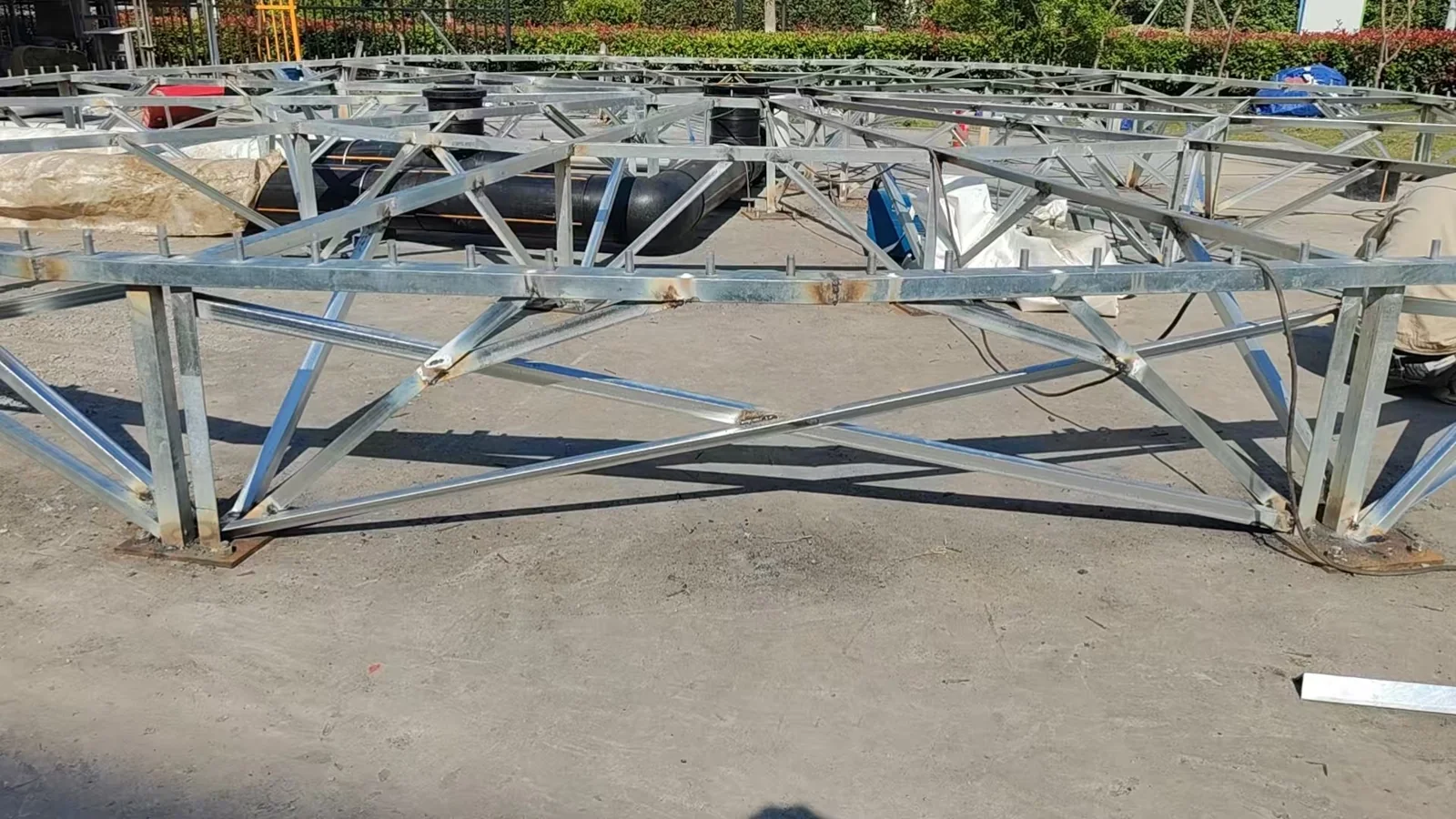
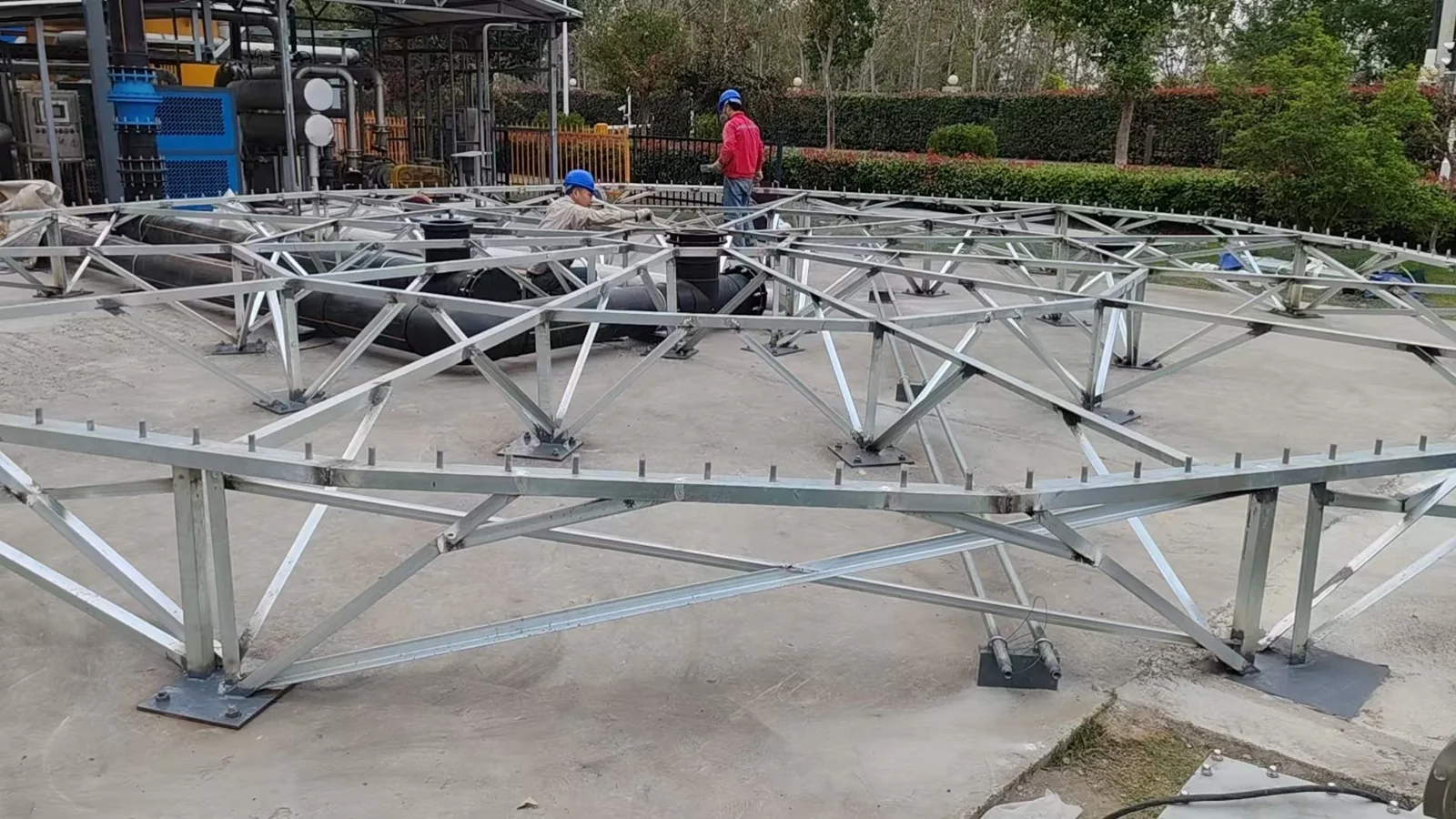
The frame is assembled and its connections welded on site. The photographs show the circular perimeter, radial arrangement and internal supports as the platform takes shape.
Support positions, overall level and perimeter connections need to remain coordinated. Structural capacity, weld inspection and corrosion protection follow the project documents; photographs alone do not establish acceptance.
Install the deck before handling the membranes
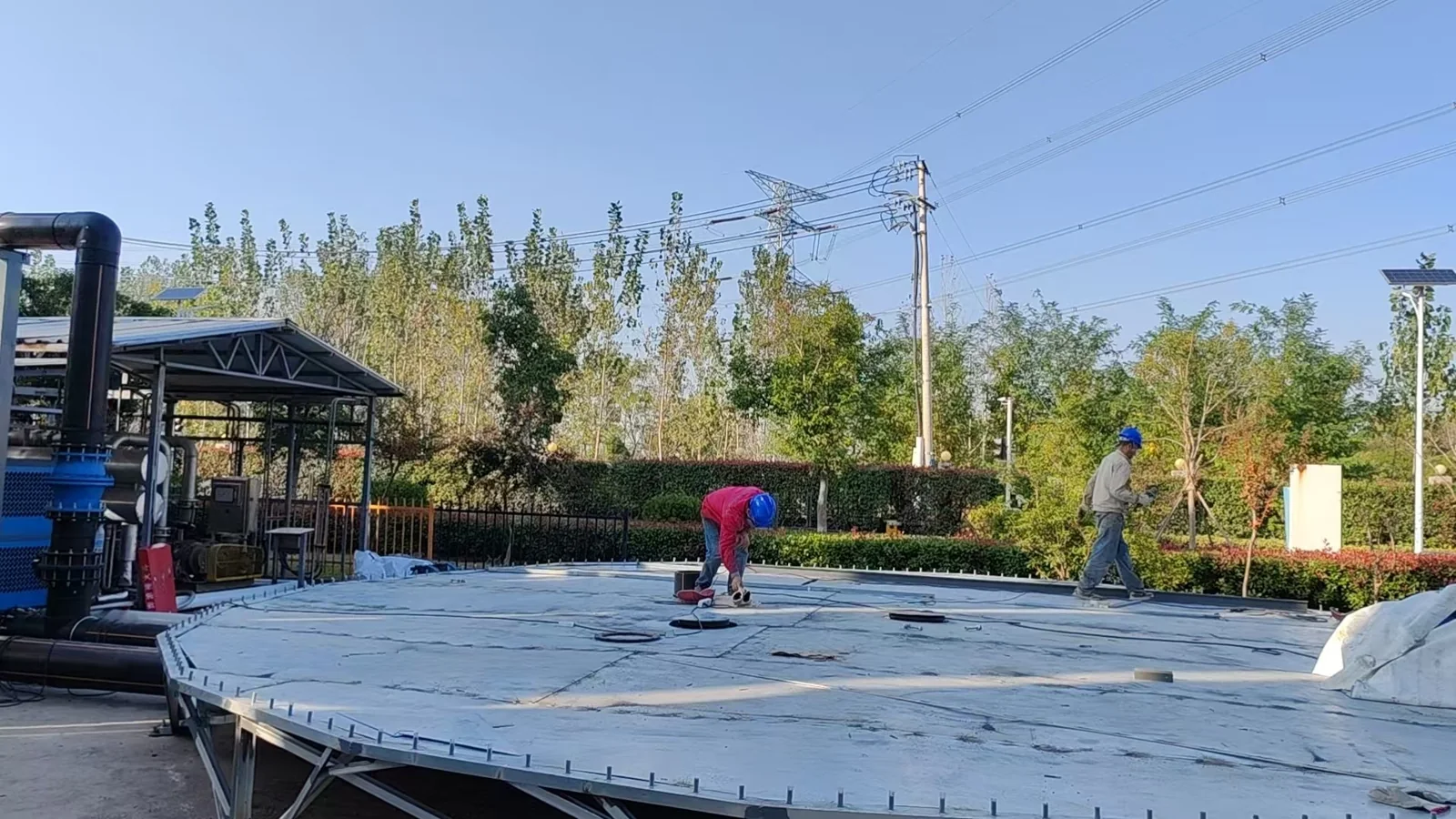
Decking follows frame construction, together with preparation of the perimeter installation area. The completed surface supports membrane spreading and subsequent installation work.
Check membrane contact areas for weld spatter, burrs, projections and debris, and prepare joints and edges for the specified connection arrangement. Completing this work before laying out the membrane reduces repeated handling.
Lift and spread the gas holder membrane
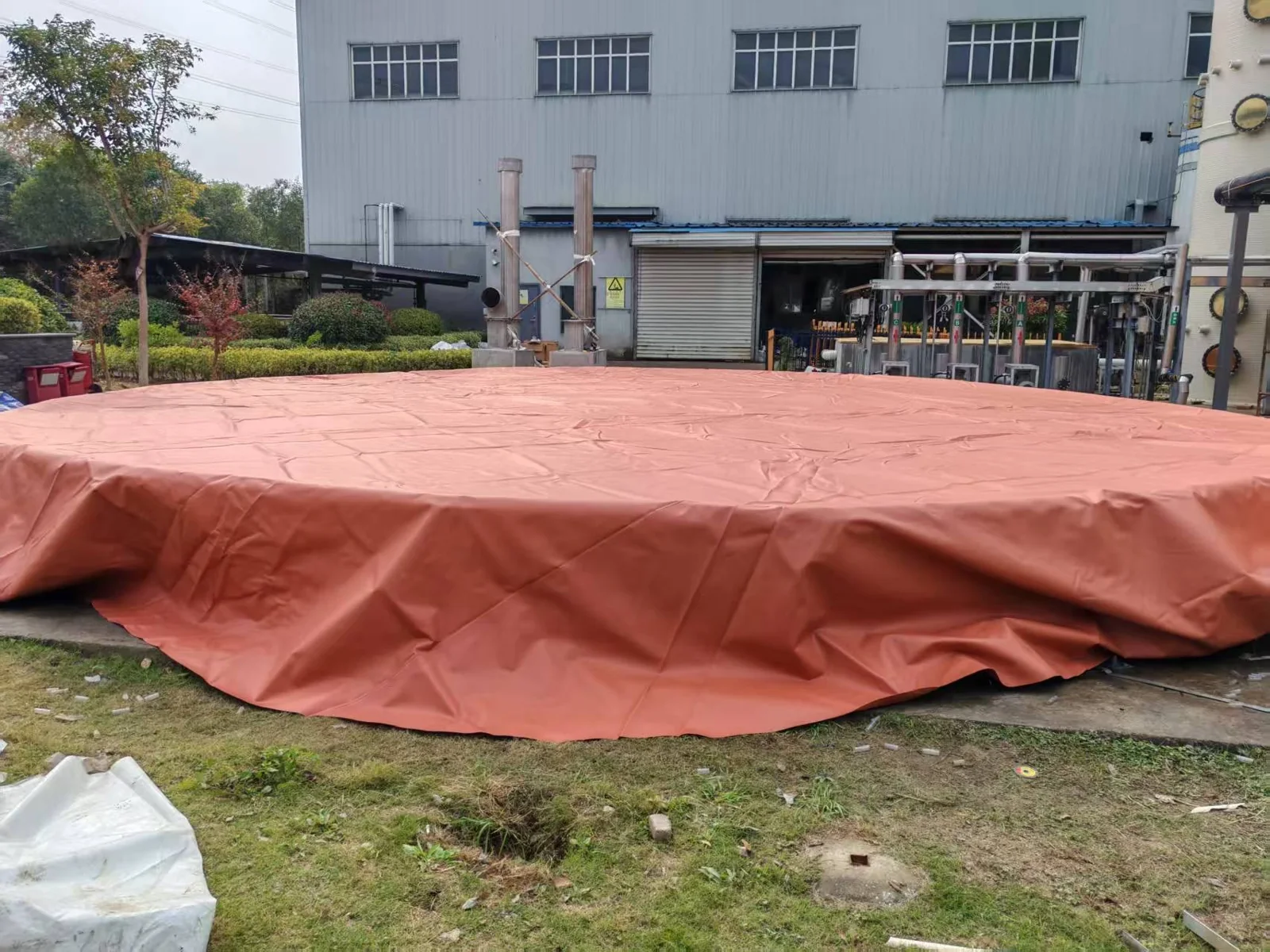
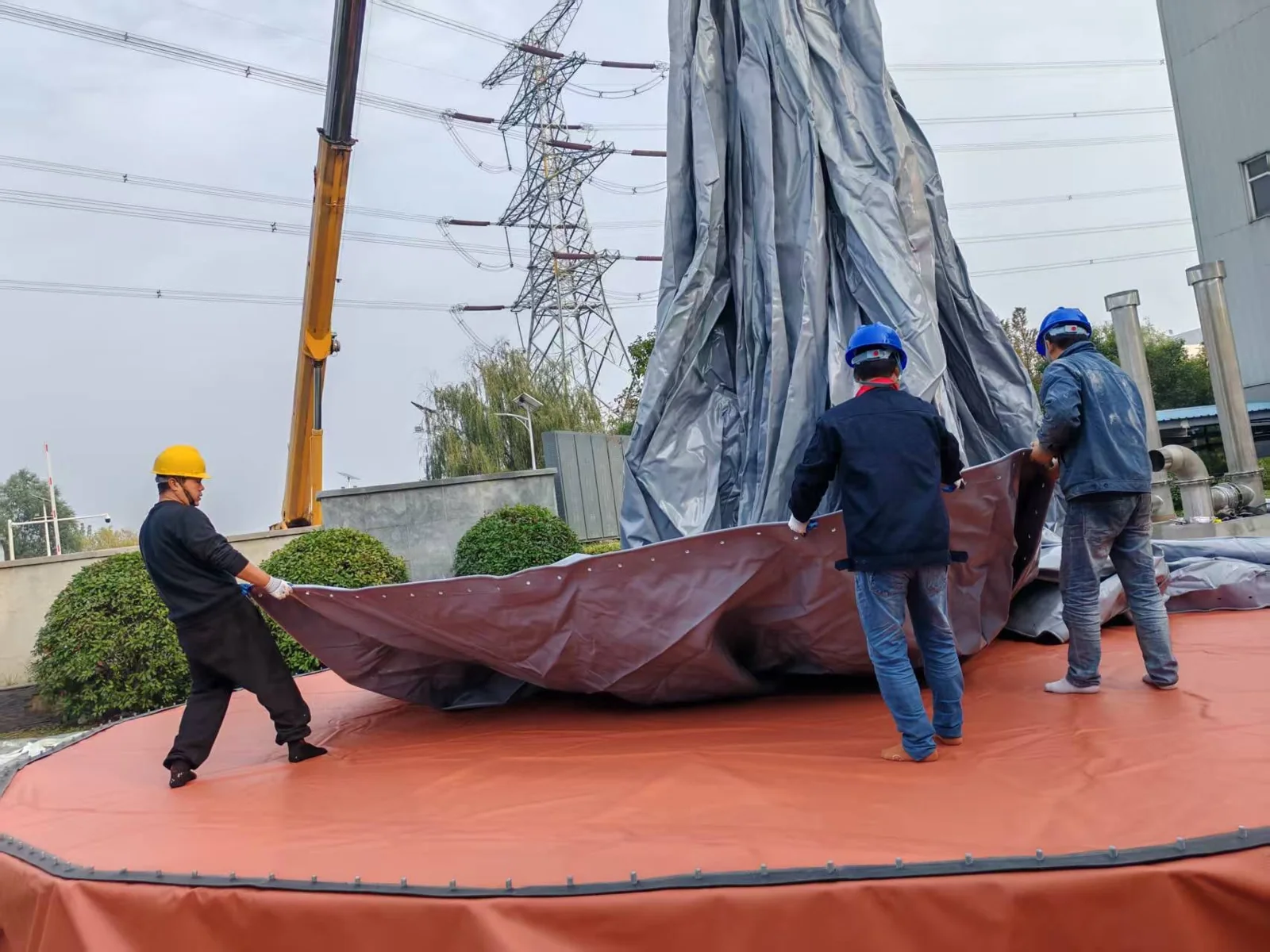
Once the platform is ready, the work moves to membrane spreading and lifting. The site record shows membrane material laid on the platform and a crane assisting the crew with lifting and positioning.
The steel platform changes the support arrangement. The membranes, perimeter seals and associated systems of the double membrane gas holder still follow the equipment-specific installation design. Lifting points and handling arrangements come from the approved site lifting plan.
Complete the perimeter and equipment connections
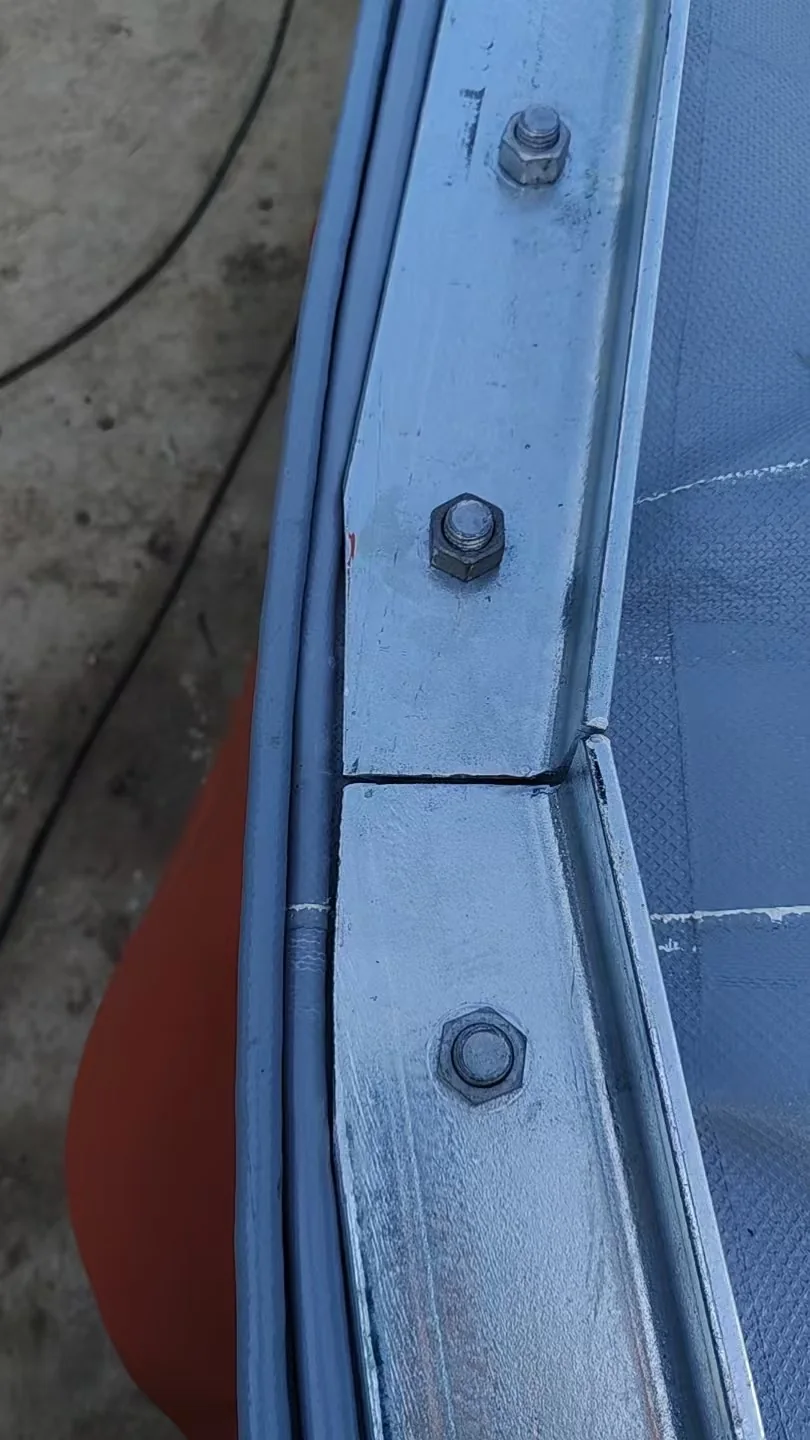
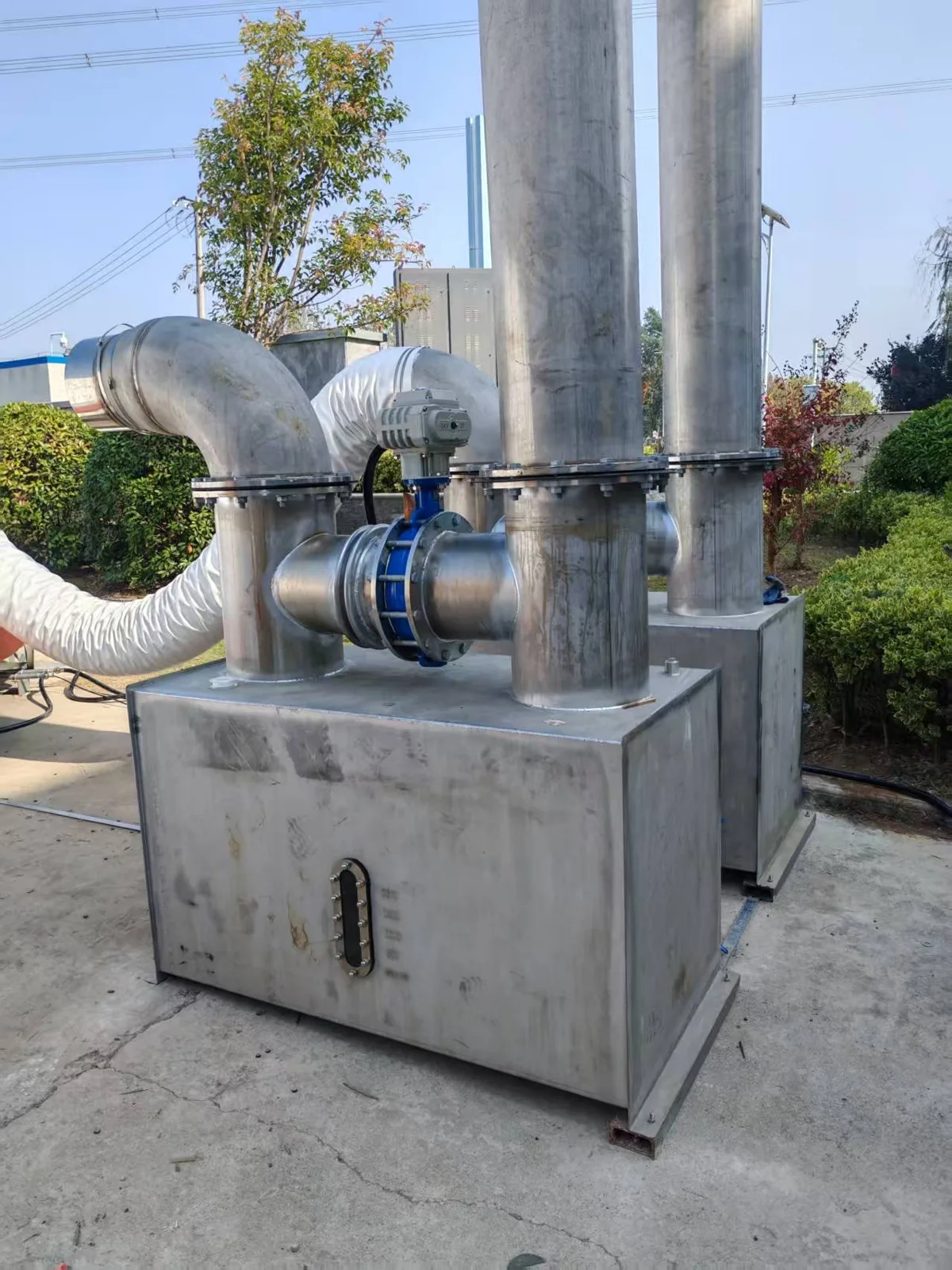
After positioning, the crew completes the clamped and sealed perimeter and connects the pipework, support-air and control equipment. The photographs show the membrane-edge connection and equipment beside the holder.
Before biogas service, the gas-tight connections, equipment functions and operating conditions require the checks specified for the project. The photographs record installation details rather than measured test results or acceptance records.
The assembled double membrane gas holder
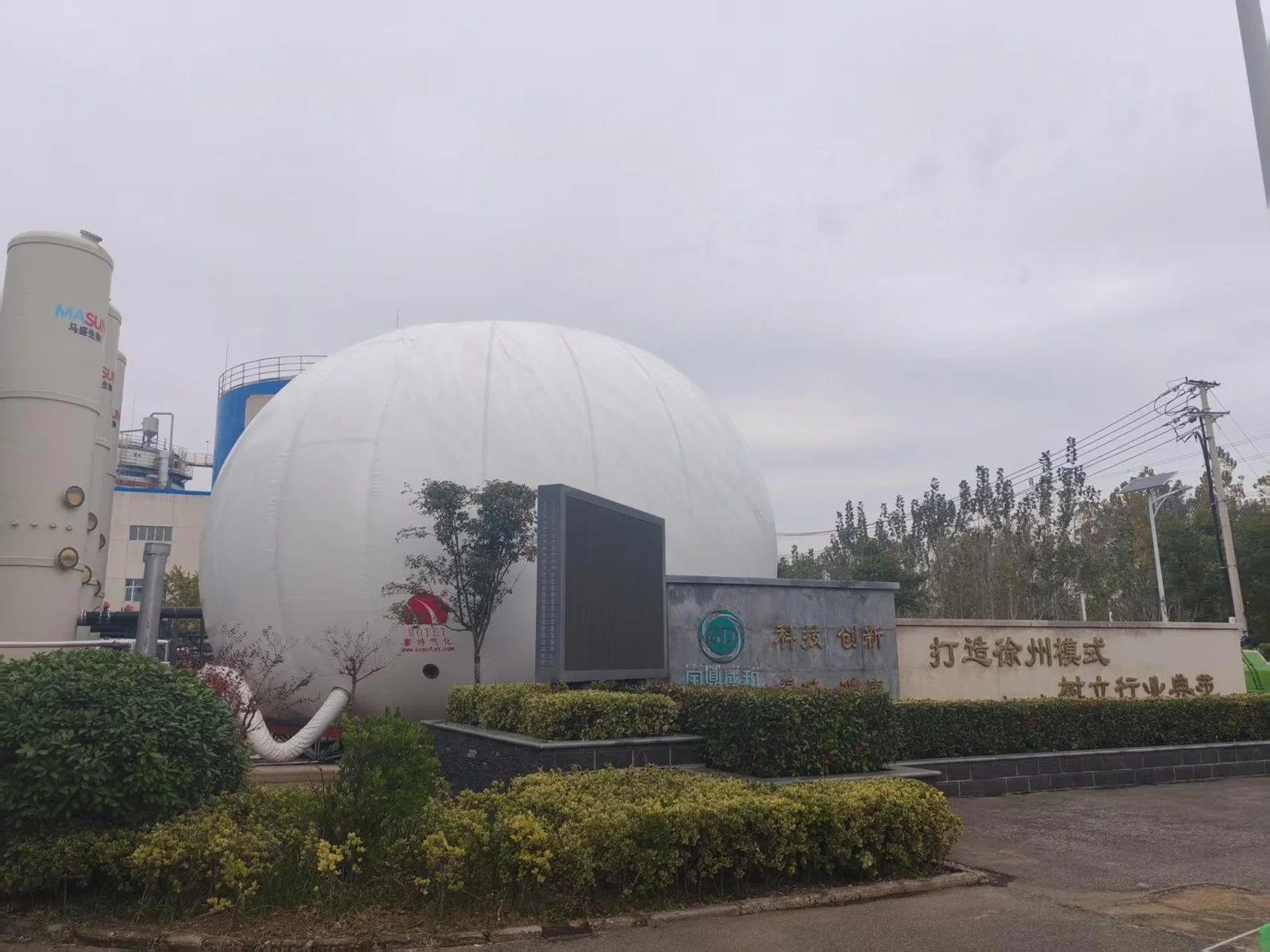
The installed holder has a white outer dome alongside the existing process equipment. The images show how the steelwork progresses from an open frame to the platform supporting the membrane installation.
The holder buffers differences between biogas production and use. Support air maintains the outer dome, so its appearance alone does not indicate the biogas inventory. Stored volume depends on the specified level measurement and calibration.
Compare complete scopes when assessing cost savings
A steel platform offers another way to coordinate fabrication, site assembly and equipment installation where site conditions allow. Whether it costs less than a concrete foundation requires a comparison at the same capacity, loading conditions and supply scope.
Include steel and fabrication, transport, site welding and corrosion protection, decking, ground and support works, lifting, installation and future maintenance. No complete comparison of the two construction costs was supplied for this project, so this report gives no saving amount or percentage. Site drawings, storage requirements and installation constraints are the starting points for assessing a similar arrangement.
Frequently asked questions
- Can every double membrane gas holder use a steel platform?
- Suitability depends on capacity, ground and support conditions, equipment loads, interfaces and maintenance access. This project illustrates an arrangement rather than a structural design ready for reuse.
- What are the project location and capacity?
- The project is a 1,000 m³ biogas gas holder in Xuzhou, China. Usable storage, design pressure and other specifications must be confirmed from the project equipment documents.
- How much money does the steel platform save?
- A like-for-like concrete-foundation and steel-platform cost comparison was not supplied. An amount or percentage cannot be stated; fabrication, transport, site work, supports, installation and maintenance all belong in the comparison.
Contact our engineering team →
Related insights
- Tank-Top Double Membrane Gasholder Repair and Reinstallation in Anhui →
- Why We Choose Quality Membranes for Double Membrane Gasholders →
- What Is a Gasholder (Gas Holder)? Wet, Dry and Double-Membrane Types Explained →
- How to Replace the Inner Membrane of a Double Membrane Gas Holder — Part 2 →
- How to Replace the Inner Membrane of a Double Membrane Gas Holder — Part 1 →
- How to Replace the Outer Membrane of a Double Membrane Gas Holder →
- How Does a Double Membrane Gas Holder Work? →